Espresso gets talked about like it is either a luxury hobby or a secret language. In reality, the basics are learnable.
This guide is the "start here" page for Espresso Foundry. If you want to understand what espresso actually is, why people care so much about grinders, what different beans taste like, and which barista terms matter, this is the place to begin.
If you are completely new, read this page top to bottom. If you already have a machine, use the linked guides as your next steps.
The Fast Version
Espresso is a concentrated coffee brewed by forcing hot water through finely ground coffee under pressure. It is the foundation for drinks like lattes, cappuccinos, cortados, and Americanos.
The parts that matter most for beginners are:
- fresh beans
- an espresso-capable grinder
- a repeatable recipe
- basic puck prep
- a little patience
That is the whole game. Fancy gear can help, but it does not replace the fundamentals.
What Espresso Actually Is
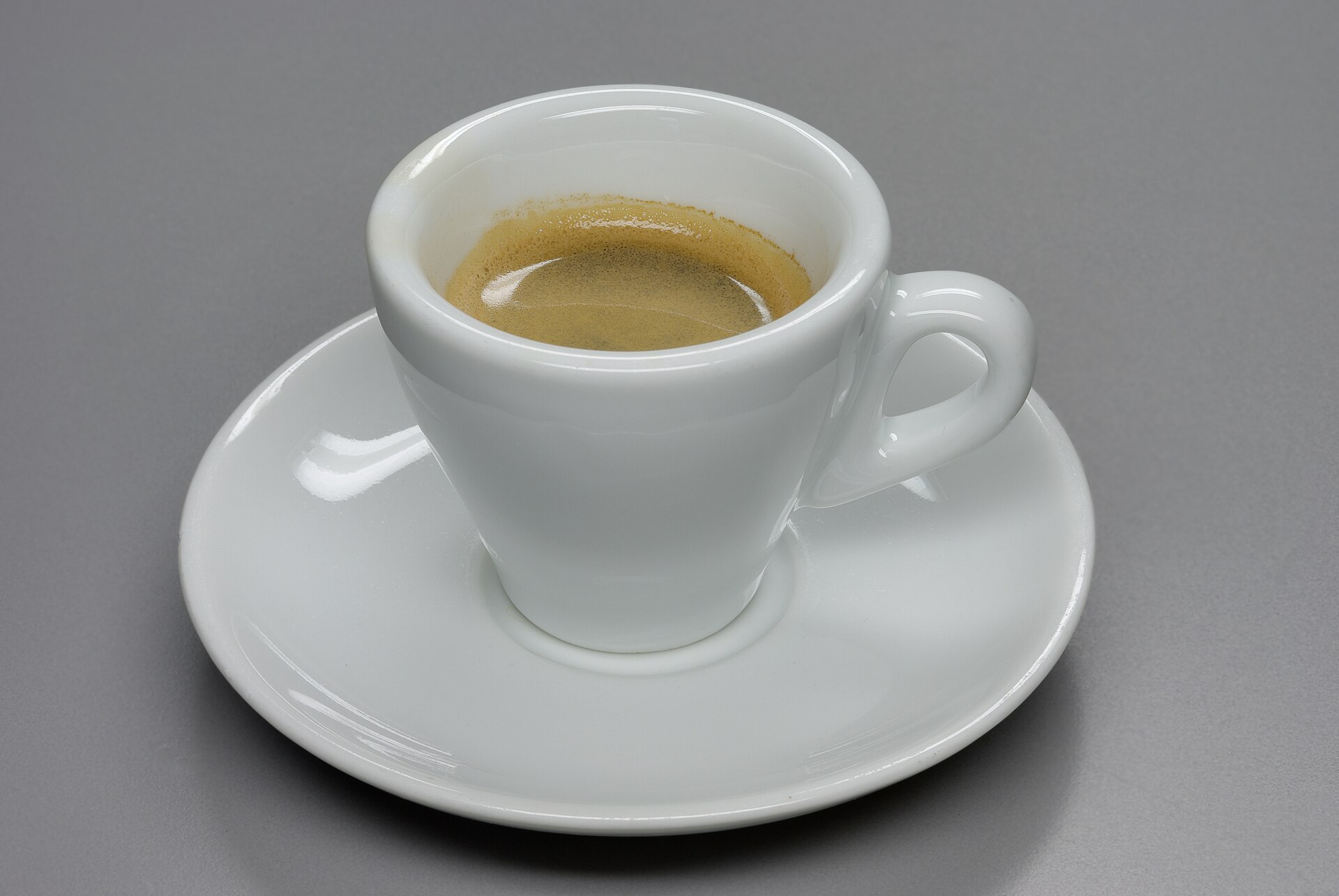
Espresso is not a bean type. It is a brewing method.
A standard espresso shot is usually:
- brewed quickly
- made with finely ground coffee
- pulled at pressure
- small in volume but high in intensity
Compared with drip coffee, espresso tastes more concentrated, has a heavier body, and creates a different kind of flavor balance. It can highlight sweetness beautifully, but it can also become sour, bitter, or harsh if the grind and recipe are off.
If you want the practical version of how the recipe works in the cup, read How to Dial In Espresso.
A Quick History of Espresso
Espresso started as a faster way to brew coffee in Italy, then turned into a global coffee category of its own.
A simplified version of the story:
- early espresso machines were built to brew coffee quickly for busy cafés
- pressure-based brewing created a more concentrated drink than traditional methods
- Italian café culture turned espresso into a ritual, not just a caffeine delivery system
- modern home machines brought that ritual into kitchens, which is why so many people now obsess over grinders, milk texture, and shot recipes
You do not need to become a coffee historian to enjoy espresso. But it helps to know that the drink was built around speed, consistency, and intensity from the start.
How Espresso Brewing Works
At the beginner level, think of espresso as balancing four variables:
- dose — how much dry coffee goes in
- yield — how much liquid espresso comes out
- time — how long the shot takes
- grind size — how fine or coarse the coffee is
A common starting recipe is 18 grams in, 36 grams out, in around 25 to 30 seconds.
That is not a law. It is just a stable baseline.
When one of those variables drifts, the shot changes:
- too coarse and the shot runs fast, often tasting sour or thin
- too fine and the shot runs slow, often tasting bitter or muddy
- too much yield and the shot gets weak or over-diluted
- inconsistent prep can cause channeling and make the same recipe taste different shot to shot
For the full workflow, use the dialing in guide. For flavor diagnosis, jump to the espresso troubleshooting guide.
The Main Espresso Brewing Styles Beginners Should Know
Not everyone who drinks espresso wants the same experience. These are the broad setup categories worth understanding.
Semi-automatic machines
This is the classic home-barista lane. You grind the coffee, prep the basket, start the shot, and steam the milk yourself.
Best for: people who want to learn and improve
Tradeoff: more control, more skill required
If you are shopping in this category, the espresso equipment buyer's guide is the best next read.
Super-automatic machines
These machines grind, dose, and brew with minimal effort. They prioritize convenience over hands-on control.
Best for: people who want coffee with as little friction as possible
Tradeoff: easier workflow, less control over shot quality
Manual espresso makers
Manual or lever-driven espresso tools can produce good results, but they are not the easiest place for most beginners to start.
Best for: hobbyists who enjoy experimentation
Tradeoff: maximum involvement, steeper learning curve
Milk-drink workflow vs straight espresso workflow
Some people mainly want lattes and cappuccinos. Others care more about straight shots. That changes what gear matters most.
- If you drink mostly milk drinks, steam performance or milk-frothing tools matter a lot.
- If you drink mostly straight espresso, grinder precision matters even more.
If milk drinks are your thing, How to Make Microfoam Without a Steam Wand is a useful companion guide.
Coffee Bean Types and Roast Styles
This is where a lot of beginner confusion starts.
Arabica vs Robusta
Most specialty home espresso leans heavily on Arabica beans because they tend to offer more sweetness, acidity, and complexity.
Robusta is often stronger, rougher, and more caffeine-heavy. Some blends include it for extra crema and punch, but straight Robusta is usually not where beginners should start.
Light, medium, and dark roast
Roast level changes both flavor and brewing behavior.
Light roast
- brighter acidity
- more origin character
- often harder to dial in for beginners
Medium roast
- balanced sweetness and acidity
- often the easiest place to learn
- flexible across straight shots and milk drinks
Dark roast
- lower acidity
- heavier chocolatey or roasty flavors
- easier to over-extract if you are not careful
If you are new, medium roasts are usually the safest learning zone. Light roasts can be rewarding later, but they demand more from your grinder — see the grinder guide when you're ready.
If you want a deeper breakdown of how roast level changes taste, extraction, and machine fit, read the full espresso roast-level guide.
Freshness matters more than people think
Beans that are too old can taste flat no matter how much you fiddle with the recipe. Beans that are extremely fresh can also behave unpredictably right after roasting.
Good beginner rule: buy whole beans from a reputable roaster, use them within a sensible window, and store them well.
If you need storage help, browse the beans and storage collection.
Espresso Terms Worth Learning First
You do not need to memorize every café word. Start with these.
Crema
The tan foam layer on top of espresso. It can look pretty, but it is not the main measure of quality.
Portafilter
The handled basket that holds the coffee puck in most semi-automatic machines.
Basket
The metal filter insert inside the portafilter. Different baskets suit different dose ranges.
Puck
The compacted bed of coffee after you tamp.
Tamping
Compressing the coffee evenly before brewing.
Channeling
When water finds weak paths through the puck instead of extracting evenly. This often causes weird, uneven flavor.
Ratio
The relationship between dry coffee in and liquid espresso out. An 18 gram dose and 36 gram yield is a 1:2 ratio.
Dialing in
Adjusting the recipe until the shot tastes balanced and repeatable. If this term keeps coming up, go straight to the dialing in guide.
What Gear Matters Most for Beginners
The beginner instinct is usually to focus on the machine first. That is understandable and often backwards.
1. Grinder
This is the most important gear decision for most home setups.
A weak grinder makes espresso inconsistent and frustrating. A capable grinder makes everything else easier.
Read Why Your Grinder Matters More Than Your Machine if you want the full argument.
2. Machine
A good machine matters, but it does not need to be the fanciest one on the internet.
If you are buying from scratch, use the complete equipment buyer's guide.
3. Scale
A scale removes guessing. That alone speeds up learning dramatically.
4. A few useful accessories
You do not need gadget overload. A sane starter setup usually means:
- grinder
- machine
- scale
- tamper
- cleaning supplies
Browse beginner-friendly picks in the store.
A Simple Learning Path for New Home Baristas
If you want the cleanest possible path into espresso, use this order.
Step 1: Understand the gear
Start with the espresso equipment buyer's guide and the best beginner espresso machine guide.
Step 2: Learn why the grinder matters
Read Why Your Grinder Matters More Than Your Machine.
Step 3: Learn the shot workflow
Read How to Dial In Espresso.
Step 4: Learn how to fix bad shots
Read Espresso Shot Troubleshooting.
Step 5: Add milk skills or maintenance
Then branch out based on what you actually drink:
- milk drinks: How to Make Microfoam Without a Steam Wand
- machine care: Espresso Machine Maintenance Guide
- common machine issues: Common Espresso Machine Problems
Beginner Questions People Usually Ask
Is espresso stronger than coffee?
Per ounce, yes. Per full drink, not always. Espresso is more concentrated, but drink size changes the caffeine math.
Do I need expensive gear to start?
No. You need sensible gear. That usually means a real grinder, a capable machine, and a scale before you need luxury accessories.
What roast is easiest for beginners?
Usually medium roast. If you want the longer version, the roast-level explainer walks through when light, medium, and dark roasts each make sense.
Why do my shots taste sour or bitter?
Because the extraction is off, usually from grind or yield. Use the troubleshooting guide.
Should I buy a machine with a built-in grinder?
Sometimes, yes. For some beginners it is the easiest on-ramp. For others, separate gear gives more room to grow.
Final Take
Espresso is not simple, but it is also not mystical. Once you understand the brewing variables, the bean basics, and a handful of terms, the whole category gets much easier to navigate.
If you only take three things from this page, make them these:
- espresso is a brewing method, not a bean
- the grinder matters more than most beginners realize
- a repeatable workflow beats random experimentation
When you are ready to go deeper, start with the equipment buyer's guide, then move into the dialing in guide.
As an Amazon Associate, Espresso Foundry earns from qualifying purchases. Product prices and availability are subject to change. Full affiliate disclosure.