If you've already got a decent espresso machine and you're staring at the grinder shelf wondering how much you actually need to spend, this guide is for you. The under-$300 segment is where most home baristas land, and it's where the price-to-quality curve is steepest in 2026.
Spend less than $200 and you'll probably fight your grind every morning. Spend over $400 and you're paying for build quality, quietness, and workflow polish more than shot quality. Right in the middle is a sweet spot that gets you 80% of the way to a serious setup for a fraction of the cost.
This post contains affiliate links. We may earn a small commission on qualifying purchases at no extra cost to you.
Why the Grinder Matters More Than You Think
This comes up in nearly every beginner thread on home barista forums and it's worth saying plainly: a great grinder paired with a modest machine outperforms a great machine paired with a mediocre grinder. Espresso is sensitive to grind size in a way pour-over and drip just aren't, and a grinder that can't hit espresso range cleanly will sabotage even the most expensive brewer.
If you're still on the fence about how much to spend on a grinder, our deeper take on why the grinder matters more than your machine walks through the reasoning.
What to Look for Under $300
Three things matter at this budget:
- Espresso-range grind size. Many sub-$200 grinders can't go fine enough, or they get inconsistent at the fine end. The grinder must handle 8–12 click range or finer reliably.
- Stepless or fine-stepped adjustment. Espresso lives in tiny adjustments. A grinder with only coarse increments will frustrate you.
- Burr quality. Conical or flat burrs are both fine; cheap blade grinders are not. Look for steel burrs at minimum.
What you can usually skip in this price range: digital displays, single-dose hoppers, and silent operation. They're nice but not essential to the shot.
The Picks
1. Best Overall: Baratza Encore ESP — ~$200
The Baratza Encore ESP is the easiest recommendation for most home espresso setups under $300. It's a purpose-built version of the long-running Encore that adds 20 finer espresso-range steps on top of the brew range, which solves the original Encore's biggest weakness for espresso users.
It has a small footprint, runs reasonably quietly, and Baratza's parts and repair support are still the best in the industry. If you want to stop researching and just get something that works, this is it.
Pros:
- Espresso-range grinds without modification
- 40mm steel conical burrs that are well-known and well-supported
- Easy to service yourself with parts available years out
One con: Single-dose retention is okay, not great. If you switch beans often, expect a few grams of crossover.
Browse current pricing in the grinder collection.
2. Best Manual Option: Timemore Chestnut C3 — ~$90
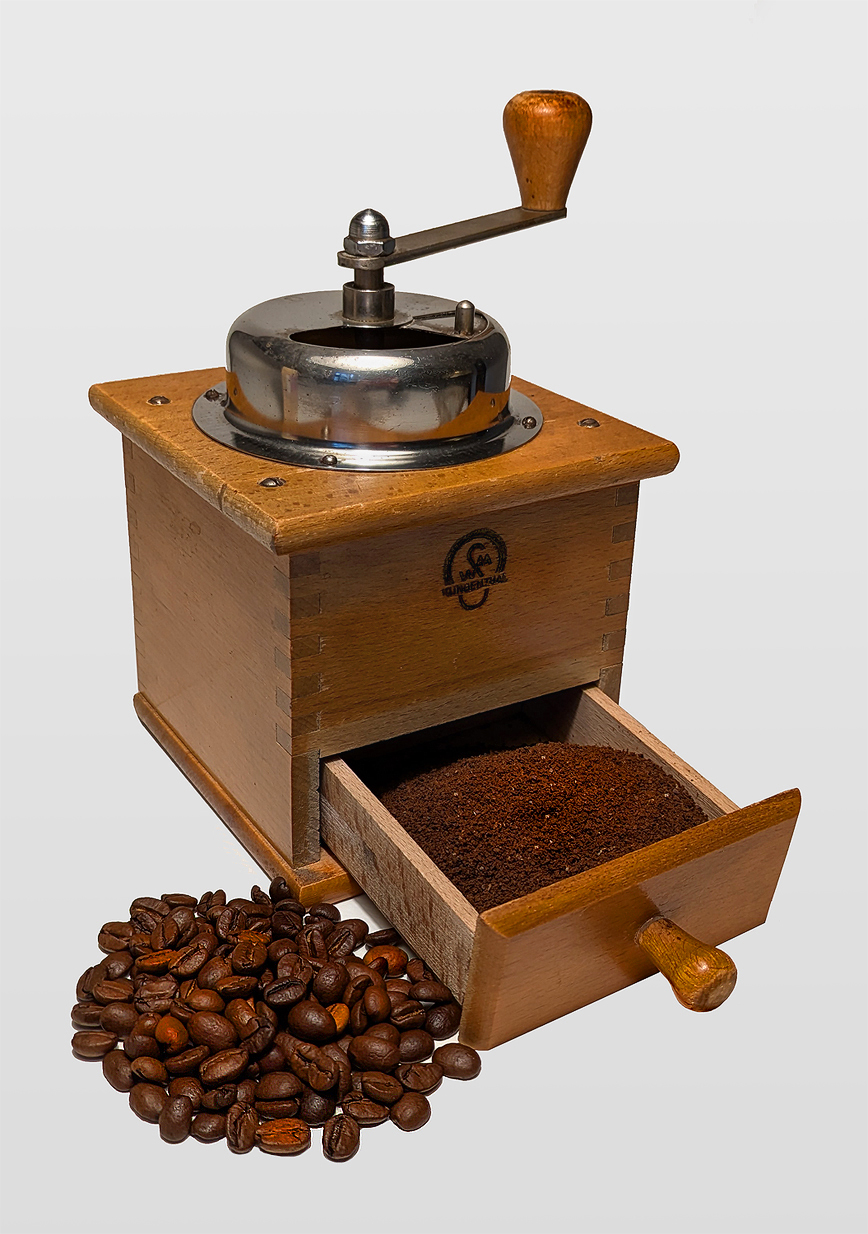
If your budget is tighter or you don't want another appliance on the counter, the Timemore Chestnut C3 is the manual grinder that genuinely changes the game at this price. It will not match an electric grinder for daily speed — manual grinding for espresso is real wrist work — but the grind quality is shockingly good for the money.
This is the grinder for people brewing one or two espressos a day who don't mind the ritual, or for travelers and apartment-dwellers who can't justify a full electric setup.
Pros:
- Burr quality punches way above the price
- Compact, quiet, no electricity needed
- Great pour-over performance too if you brew other styles
One con: Espresso-fine grinding takes effort. Plan on 60–90 seconds of cranking per dose.
3. Step-Up Pick: Eureka Mignon Silenzio — ~$379
This one squeaks just over $300, but it's worth mentioning because it's the natural next step. The Eureka Mignon Silenzio is what people upgrade to when they outgrow the Encore ESP. Stepless micrometric adjustment, 50mm flat burrs, and seriously quiet operation.
If your budget can stretch and you know you're in this hobby for the long haul, jumping straight to the Mignon Silenzio means you won't be shopping again in two years. See the grinder collection for current pricing.
Pros:
- Stepless adjustment opens up fine dial-in
- Genuinely quiet — won't wake anyone up
- The burrs hold up for years of daily use
One con: Larger and pricier than most starter setups call for.
What to Avoid in This Price Range
A few patterns to skip:
- Blade grinders of any kind. They produce wildly inconsistent grind and can't do espresso. Don't be tempted by the price.
- Cheap electric burr grinders without an espresso-range mode. Many sub-$100 electric grinders technically have burrs but can't grind fine enough or consistently enough for espresso. Read espresso-specific reviews, not general coffee reviews.
- Used commercial grinders with worn burrs. A used Mazzer for $150 sounds great until you realize the burrs need replacing for $80 plus shipping.
How to Decide
If you brew espresso most days and want a reliable, low-fuss electric grinder: Encore ESP.
If you brew occasionally, want to spend less, or like the manual ritual: Timemore C3.
If you know you'll be in this hobby long-term and have the budget: Mignon Silenzio.
Most home espresso setups are best served by the Encore ESP. It's not the fanciest grinder you can buy, but it's the one that solves the actual problem most beginners have — getting a consistent espresso-range grind without spending machine-sized money.
FAQ
Can I use a regular coffee grinder for espresso?
Usually not. Most general-purpose burr grinders can't go fine enough for espresso, or they're not consistent enough at the fine end. Look for grinders that specifically advertise espresso range.
Is a $200 grinder really worth it over a $50 one?
Yes, by a wide margin for espresso. The $50 tier produces inconsistent grind that makes shots run unevenly (channeling), which tastes bitter and sour at the same time. The jump from $50 to $200 is the single biggest quality improvement most beginners will make.
Do I need a single-dose grinder?
Probably not at this budget. Single-dose grinders are nice if you switch beans frequently, but the Encore ESP and Mignon Silenzio both handle dose-on-demand workflows well enough for most users.
Should I buy the grinder before or after the espresso machine?
If you're starting from zero and have a budget, buy them together. The grinder shouldn't be an afterthought. If you already have a machine and a low-quality grinder, upgrading the grinder almost always improves shots more than upgrading the machine would.
How long do grinder burrs last?
For home use at one or two doses per day, conical burrs typically last 5–10 years. Flat burrs can last 7+ years. Replacement burrs are inexpensive when the time comes.
Bottom Line
You can get genuinely good espresso for under $300 in grinder spend. The Baratza Encore ESP is the safest, most universal pick. The Timemore C3 is the smartest pick on a tight budget. And if you've got a little more room, the Eureka Mignon Silenzio is what you'd buy next anyway.
Browse grinders for current pricing, or pair your grinder pick with one of our recommended beginner espresso machines.
If you are buying today
Narrow the grinder choice, then click into the exact model
Use the comparison tool if you still need help sorting workflow tradeoffs. If you are ready now, jump straight into the grinder category or the leading beginner pick.
- Shop grinders Filter the full grinder lineup.
- See the Encore ESP The safest electric pick in this price band.
- Revisit the grinder-first case Useful if you are still tempted to overspend on the machine instead.
As an Amazon Associate, Espresso Foundry earns from qualifying purchases. Product prices and availability are subject to change. Full affiliate disclosure.