Dialing in espresso sounds more intimidating than it really is. Once you strip away the jargon, it just means adjusting your setup until your shot tastes balanced instead of sour, bitter, weak, or muddy.
Most beginners get stuck because they change too many things at once. One shot runs fast, so they change the grind, the dose, the yield, and the tamp all together. The next shot tastes different, but now they have no idea which change actually helped.
A better approach is to use a simple workflow and keep most variables steady while you make one smart adjustment at a time.
If you want to learn how to dial in espresso, this guide will give you a practical baseline, explain what the numbers mean, and show you how to adjust when a shot tastes off. It is built for home baristas using common semi-automatic machines, not café pros with endless time to tinker.
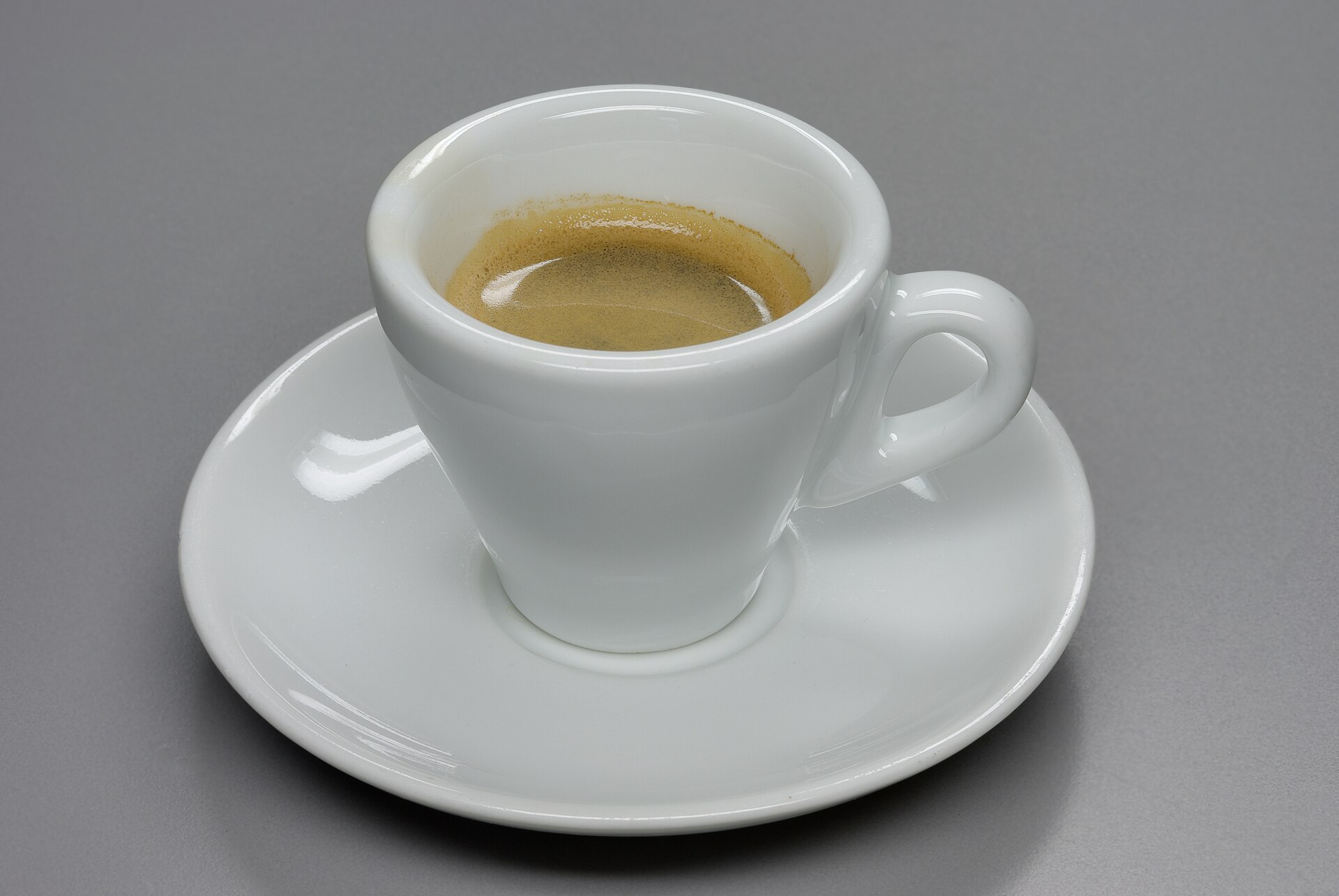
What “Dialing In” Actually Means
Dialing in is the process of finding the grind setting and recipe that make a coffee taste good on your machine.
Every bag of beans behaves a little differently. Roast level, freshness, humidity, grinder design, and machine temperature can all shift the way a shot extracts. That means there is no universal grinder number or magic recipe that works forever.
What you are trying to find is a repeatable sweet spot where:
- the shot flows at a reasonable pace
- the taste is balanced rather than sharp or harsh
- the texture has enough body
- you can repeat the result tomorrow without starting from zero
That is why consistency matters more than perfection. Your goal is not to chase some mythical god shot. Your goal is to get to reliably good espresso.
Start with a Baseline Recipe
For most beginners, a smart starting point is:
- Dose: 18 grams of coffee in
- Yield: 36 grams of espresso out
- Time: about 25 to 30 seconds
That is a classic 1:2 brew ratio. It is not the only good recipe, but it is a dependable place to begin because it gives you a stable reference point.
If your machine uses a smaller basket, you may be closer to 16 grams in and 32 grams out. The exact number matters less than staying consistent once you pick a baseline.
Use a scale if you can. Espresso gets dramatically easier when you stop eyeballing it.
The Four Variables Beginners Should Understand
Dose
Dose is how much dry coffee you put into the basket. Keep this constant while dialing in. If you start at 18 grams, stay there until the shot is close.
Yield
Yield is how much liquid espresso ends up in the cup. If you stop the shot at 36 grams from an 18 gram dose, you are pulling a 1:2 ratio.
Time
Shot time helps you notice whether the coffee is running too fast or too slow. It is useful feedback, but it is not the final judge. Taste matters more.
Grind size
This is usually the main dial you should turn first.
- If the grind is too coarse, water moves through too quickly.
- If the grind is too fine, water struggles through too slowly.
That is why grind size usually makes the biggest difference when a shot tastes wrong.
If you are shopping for better gear, the grinder collection is a better place to upgrade first than obsessing over the fanciest machine.
Your Beginner Workflow, Step by Step
Here is the simplest reliable process.
1. Pick a starting recipe
Start with 18 grams in, 36 grams out, and a target time of 25 to 30 seconds.
2. Prep the puck the same way every time
Distribute the grounds evenly and tamp level. You do not need a ritual with twelve tools, but you do need a repeatable routine. Inconsistent puck prep creates uneven extraction and makes dialing in harder than it should be.
3. Pull the shot on a scale
Weigh the output instead of guessing by volume. Crema can make a shot look larger than it really is, so a scale keeps you honest.
4. Record the result
Write down or note these three things:
- dose
- yield
- shot time
Then taste the shot.
5. Change one variable at a time
If the shot is clearly wrong, adjust grind size first and leave dose and yield alone. That way you can tell what changed.
This one-variable rule is what keeps the whole workflow sane.
How to Read the Taste in the Cup
This is where beginners make real progress. Numbers get you close, but taste tells you what to do next.
If the shot tastes sour, sharp, or thin
That usually points to under-extraction.
Common signs:
- shot runs fast
- body feels weak
- flavor seems salty, lemony, or hollow
What to do:
- grind finer first
- keep the same dose
- keep the same target yield for now
If you are close but still getting too much edge, you can also try a slightly longer yield after adjusting grind.
If the shot tastes bitter, harsh, or dry
That usually points to over-extraction.
Common signs:
- shot runs slow
- finish feels astringent or rough
- flavor tastes muddy, burnt, or overly dark
What to do:
- grind coarser first
- keep dose stable
- keep the same target yield for now
If the shot is almost there but still a little heavy, a shorter yield can sometimes help after you get the grind close.
If the shot tastes weak
Weak espresso is not always a grind problem. Sometimes the shot is just too long or the dose is too low for your basket.
Check these first:
- Are you accidentally running well past your target yield?
- Is the coffee stale?
- Is your grinder producing too many fines and boulders?
- Are you using the right basket dose?
If your workflow is solid but the coffee still lacks structure, it may be time to look at better beans or a better grinder.
When to Adjust Grind, Dose, Yield, or Time
Beginners often ask which variable they should touch first. Here is the simple rule.
Adjust grind first
Grind size is the main control knob for shot speed and extraction balance. It should be your first move most of the time.
Adjust yield second
Once the shot is close, you can use yield to fine-tune taste.
- A slightly shorter shot can increase body and intensity.
- A slightly longer shot can improve clarity and reduce sharpness.
Adjust dose last
Dose can matter, but it is easier to get lost if you keep changing it while learning. Keep it stable unless your basket clearly wants a different amount or the puck is physically too full or too empty.
Use time as feedback, not a commandment
A 27-second shot is not automatically good, and a 31-second shot is not automatically bad. Time is useful because it helps confirm what is happening, but the final decision still belongs to taste.
Common Beginner Mistakes
Changing everything at once
This is the fastest route to confusion. If you changed grind, yield, and dose between shots, you did not really run a test.
Ignoring the scale
Volume is inconsistent. Weight is not. A cheap espresso scale saves a lot of wasted coffee.
Blaming the machine too early
Plenty of “bad machine” problems are really grinder or workflow problems. A capable machine paired with poor puck prep will still give inconsistent shots.
Using old beans
Fresh coffee is easier to dial in. Beans that are too old often taste flat and lifeless no matter what you do. Browse fresh whole-bean options in the beans and storage collection.
Chasing advanced tricks too soon
Pressure profiling, flow control, and exotic recipes can be fun later. Beginners usually improve faster by mastering the basics: good beans, consistent dose, measured yield, and smart grind changes.
If you need to tighten up your setup, browse the espresso accessories collection for tools that actually help workflow instead of adding clutter.
A Simple Example of Dialing In
Let’s say you pull this shot:
- 18 grams in
- 36 grams out
- 21 seconds
- tastes sour and thin
That is a classic sign the shot ran too fast. Your next move is to grind finer.
Then you pull again:
- 18 grams in
- 36 grams out
- 27 seconds
- tastes better, but still a little bright
Now you are close. At this point, you could make a slightly smaller grind tweak finer, or test a slightly longer yield like 38 grams out to see whether the cup balances out.
That is what dialing in looks like in real life. Small moves. Clear feedback. No chaos.
How You Know You’re Done
You are done dialing in when the shot tastes balanced enough that you would happily drink it again, and you can repeat it without guessing.
That means:
- sweetness is showing up
- acidity is pleasant rather than sour
- bitterness is supportive rather than harsh
- the shot has enough body to feel satisfying
You do not need perfection. You need a reliable workflow.
Final Take
Learning how to dial in espresso is mostly about discipline, not wizardry. Start with a baseline. Keep your dose steady. Weigh your output. Taste carefully. Change grind size first. Use yield later for fine-tuning.
Once that process becomes habit, espresso gets much less frustrating and much more fun.
If you are building your first home setup, the best thing you can do is focus on consistency and upgrade the tools that actually affect the cup. Start with the store for grinders, accessories, and beginner-friendly gear that make the workflow easier to repeat.
Fix the bottleneck
When the workflow is right, the next upgrade is usually gear
If dialing in still feels chaotic, move into the troubleshooting guides, check the grinder catalog, and add a scale if you are still eyeballing your shots.
- Shop grinders Inconsistent grind is the most common hidden problem.
- See the Acaia Pearl A scale makes dose and yield repeatable instead of guesswork.
- Use the quick-reference fixes Fast path when you need a shot-by-shot answer.
As an Amazon Associate, Espresso Foundry earns from qualifying purchases. Product prices and availability are subject to change. Full affiliate disclosure.