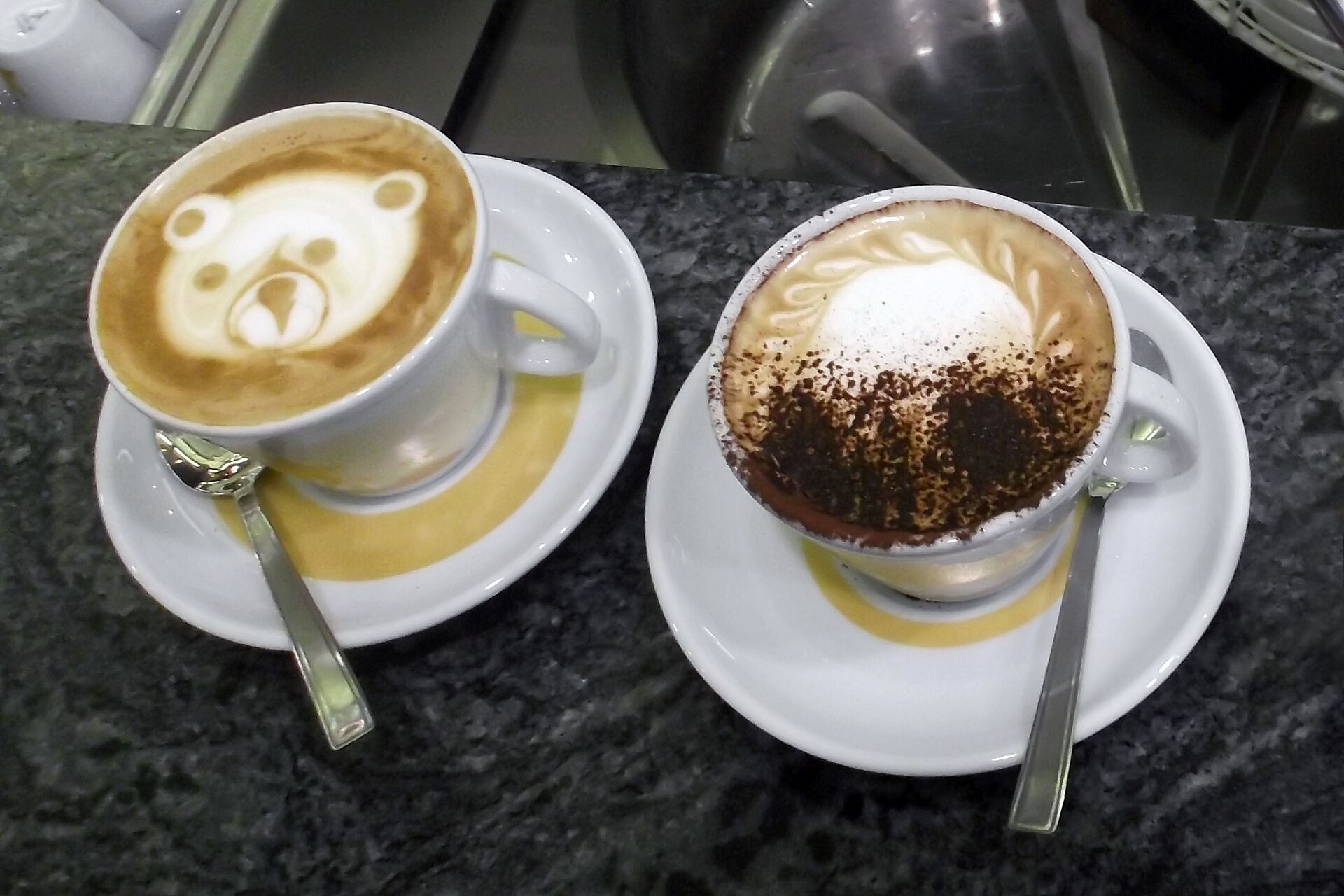
If your espresso machine doesn't have a steam wand — or has one you can't get good results from — you can still make legitimate microfoam at home. Not just airy bubbles on top of warm milk: real, glossy, paint-like milk that pours cleanly into a latte or flat white.
The trick is using the right tool for the job, and using it the right way. This guide covers both.
This post contains affiliate links. We may earn a small commission on qualifying purchases at no extra cost to you.
What Microfoam Actually Is
Microfoam is milk that's been textured with very small, uniform air bubbles — small enough that the bubbles disappear into the body of the milk and create a single glossy texture. It's what makes a flat white feel silky instead of foamy, and it's what lets you pour latte art.
Steam wands create microfoam by injecting steam into milk while you control the angle and depth of the wand. Without a wand, you need a tool that introduces tiny bubbles while moving the milk fast enough that they don't get a chance to grow into big ones.
What Doesn't Work (Skip These)
Before getting to the gear that does work, a quick list of things that don't:
- Frother spoons / battery-powered handheld frothers from grocery stores. They make foamy milk, not microfoam. Big bubbles, separation in the cup.
- Shaking milk in a jar. Produces airy foam that collapses immediately. Fine for hot chocolate; useless for espresso drinks.
- Microwave then whisk. No, really. People recommend this; it doesn't produce microfoam.
- French press plunging. Better than the above options but still produces inconsistent texture and is hard to control temperature with.
What Actually Works
1. Best Overall: Subminimal NanoFoamer
The Subminimal NanoFoamer Lithium is the only handheld frother that actually produces real microfoam at home. It uses a fine mesh disc (the "NanoScreen") that breaks air into very small bubbles as you draw the wand up through the milk. Done correctly, it produces glossy, paint-like microfoam that pours like steam-wand milk.
It's USB-C rechargeable, fits in a drawer, and is the single best non-machine purchase you can make for milk-based drinks.
Pros:
- Genuinely produces microfoam, not just foam
- Tiny — no counter footprint
- Costs less than $80
One con: You still need to heat the milk separately (microwave or stovetop). It textures cold milk fine, but cold microfoam isn't what you want in a latte.
Browse current pricing in the milk frothing collection.
2. Best All-in-One: Breville Milk Cafe
If you'd rather have one device that heats and froths in a single step, the Breville Milk Cafe is the standalone frother to get. Induction heating, automatic froth control, and consistent results without the warm-up dance.
It takes counter space and costs more than the NanoFoamer, but for households that drink lots of milk drinks daily, the convenience is real.
Pros:
- Heats and froths in one step
- Set-it-and-forget-it operation
- Works for hot chocolate and other drinks too
One con: Less portable, more counter space, and can't quite match the precise texture control of a NanoFoamer in skilled hands.
3. The Pitcher Matters Too
Whichever frother you use, a proper milk pitcher makes everything easier. The MHZY 12oz stainless steel pitcher (or any 12oz stainless pitcher with a sharp pour spout) gives you the swirl room and pour control you need to actually get microfoam into the cup without losing texture.
Don't skip this. Frothing in a coffee mug or measuring cup is one of the main reasons home microfoam attempts fail. A good pitcher costs about $15. See the milk frothing collection for options.
The Technique (NanoFoamer Method)
Here's the workflow that consistently produces good microfoam:
1. Heat the milk first
Pour cold milk into your pitcher — about 1/3 to 1/2 full. Microwave 30–45 seconds, or heat on the stove until it's hot but not boiling (around 140°F / 60°C). Don't overheat. Scalded milk tastes flat and doesn't froth as well.
2. Position the NanoFoamer
Insert the NanoFoamer just under the surface of the milk. You want to hear a gentle "tssss" sound as it draws air in. If it's silent, you're too deep. If it's loudly slurping, you're too shallow.
3. Stretch for 5–10 seconds
Hold near the surface for the first phase. This is when air gets incorporated. Stop adding air once the milk volume has visibly increased by about 25%.
4. Submerge and texture
Push the wand deeper into the milk and angle it slightly to one side to create a whirlpool. This is where the bubbles get broken down into microfoam. Keep going for another 10–20 seconds until the milk looks glossy.
5. Tap and swirl
Tap the pitcher firmly on the counter once or twice to pop any large surface bubbles, then swirl the milk gently. Properly textured milk should look like wet paint and should hold a single uniform texture.
6. Pour immediately
Microfoam doesn't wait. Pour into your espresso shot within 30 seconds for best results.
Common Mistakes
- Overheating the milk. Anything above 160°F kills the texture. Heat to hot-but-not-burning.
- Using cold milk straight from the fridge into the frother without heating. You'll get foam, not microfoam, and it'll be cold.
- Skipping the swirl. Untextured milk separates into foam-on-top, milk-on-bottom in the pitcher. Always swirl before pouring.
- Wrong pitcher shape. Wide-mouthed mugs and measuring cups don't allow the whirlpool that creates microfoam.
Will It Match a Real Steam Wand?
Honestly, in skilled hands a steam wand still wins for ultimate texture quality and pour-art ability. But for the average home drinker making a latte before work, a NanoFoamer with proper technique gets you 90% of the way there for under $80. That's a wildly good ratio.
If milk drinks are your main reason for owning an espresso setup, eventually upgrading to a machine with a real steam wand (like the Breville Bambino Plus or Barista Express) makes sense. But you don't have to do it on day one to drink good lattes.
FAQ
Does this work with oat milk and other plant milks?
Yes, but technique matters more. Barista-formulation oat milks (Oatly Barista, Minor Figures) froth almost as well as dairy. Standard versions can be inconsistent. Heat plant milks slightly less than dairy — they scorch faster.
How much milk should I froth at once?
For a single latte, about 4–6 ounces (cold). For two drinks, 8–10 ounces. Don't try to froth more than the pitcher can comfortably swirl.
Why does my milk get foamy instead of glossy?
Almost always because you stretched too long (added too much air) or didn't submerge deep enough during the texturing phase. Try shorter stretch, longer texture.
Can I use the NanoFoamer for hot chocolate or matcha?
Yes — it's excellent for both. The same air-incorporation works for any drink that benefits from texture.
How long does the milk hold its texture?
About 30–45 seconds before it starts to separate. Plan to pour right after frothing.
Bottom Line
You don't need a steam wand to drink good milk drinks at home. A NanoFoamer plus a proper pitcher costs under $100 total and produces microfoam most beginners would never get from a manual steam wand anyway.
The technique above is the same regardless of which device you use: heat first, stretch briefly, texture longer, swirl, pour immediately. That's the whole game.
Browse current frothing gear in the milk frothing collection, or pair it with a machine that has a built-in steam wand if you want to go bigger later.
As an Amazon Associate, Espresso Foundry earns from qualifying purchases. Product prices and availability are subject to change. Full affiliate disclosure.