If your espresso starts tasting stale, your steam wand sputters, or your machine suddenly feels inconsistent, the problem often is not your beans. It is maintenance.
This guide is the starting point for keeping a home espresso setup working properly without turning coffee into another full-time job. The goal is simple: a short routine that protects flavor, reduces breakdowns, and makes troubleshooting easier when something goes sideways.
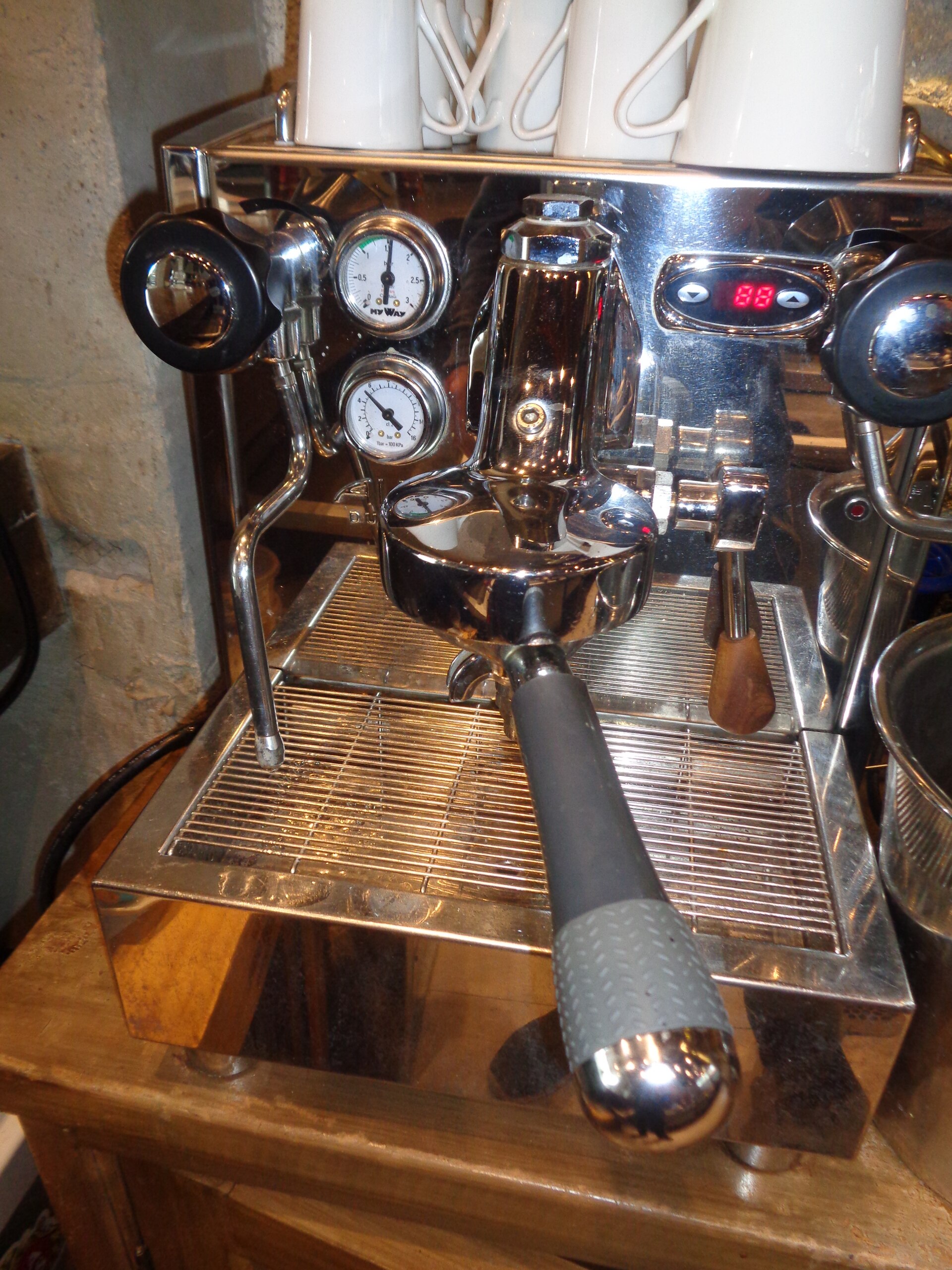
The three maintenance jobs that matter most
Most home baristas do not need an elaborate checklist. You mainly need to stay on top of three things:
- Daily cleaning so coffee oils and milk residue do not build up
- Periodic descaling if your water and machine call for it
- Basic troubleshooting when flow, steam, or taste suddenly changes
If you want the deeper step-by-step version for each one, start here:
- How to clean an espresso machine
- How to descale an espresso machine
- Common espresso machine problems and fixes
- Espresso accessories cleaning routine
Daily and weekly maintenance routine
A simple maintenance rhythm does more than heroic deep cleans once every few months.
After each session
- purge and wipe the steam wand
- knock out the puck and rinse the basket
- flush the group head briefly
- wipe spills from the drip tray and tray grate
Every few days
- wash the portafilter basket more thoroughly
- wipe down the machine body and water tank area
- check for old milk residue around the steam wand tip
Weekly
- use a dedicated espresso cleaner if your machine supports backflushing
- clean the shower screen and group area
- wash removable parts with warm water
The Urnex Cafiza cleaner, Pallo grouphead brush, and Urnex cleaning kit are the most useful maintenance items in the current catalog because they solve real cleaning problems without adding fluff.
If you want the buyer-focused version of that decision, the espresso cleaning supplies roundup explains which tool belongs to which maintenance job.
Why maintenance changes espresso quality
Dirty machines do not just look rough. They change flavor.
Old coffee oils can turn bitter and rancid. Steam wands with dried milk residue struggle to texture milk cleanly. Scale inside the machine can affect heat transfer and water flow. When you are chasing better espresso, all of that noise makes it harder to tell whether the recipe is wrong or the machine is simply overdue for care.
That is why maintenance and dialing in go together. If shots suddenly get weird, it helps to know the machine itself is not the variable.
Start with the easiest fix first
When something feels wrong, start with the lowest-friction checks before assuming the machine needs repair.
- refill the tank
- confirm the grinder and dose have not drifted
- clean the basket and group head
- check whether the steam wand tip is clogged
- look for obvious leaks or blocked parts
A surprising number of "machine problems" are really cleaning problems or workflow drift.
Which cleaning tools are actually worth buying?
A small maintenance kit goes a long way. For most home setups, the useful essentials are:
- an espresso detergent like Urnex Cafiza
- a brush like the Pallo grouphead brush
- a starter bundle like the Urnex Full Circle cleaning kit
- a tidy puck-disposal setup like the Fellow knock box
You do not need to buy a drawer full of gadgets. A few maintenance basics used consistently matter more than a bunch of niche accessories used once.
Where to go next
If you want to tighten up your routine, read the cleaning guide first. If your machine already seems sluggish or inconsistent, jump to descaling or troubleshooting depending on the symptom.
- How to clean an espresso machine
- How to descale an espresso machine
- Common espresso machine problems and fixes
- Espresso shot troubleshooting
- Espresso accessories cleaning routine
- Espresso machine maintenance checklists
Maintenance is not glamorous, but it is one of the easiest ways to get better coffee from the same gear.
If you are restocking today
Build a simple maintenance kit and stop improvising
The clean route is a maintenance bundle, a focused cleaning product page, or the supply roundup if you still need to decide what deserves space in the cabinet.
- Read the cleaning supply picks Good if you want the why behind each item.
- Shop cleaning supplies Browse the whole maintenance category.
- Use the maintenance checklists Printable routine for daily, weekly, and monthly tasks.
As an Amazon Associate, Espresso Foundry earns from qualifying purchases. Product prices and availability are subject to change. Full affiliate disclosure.