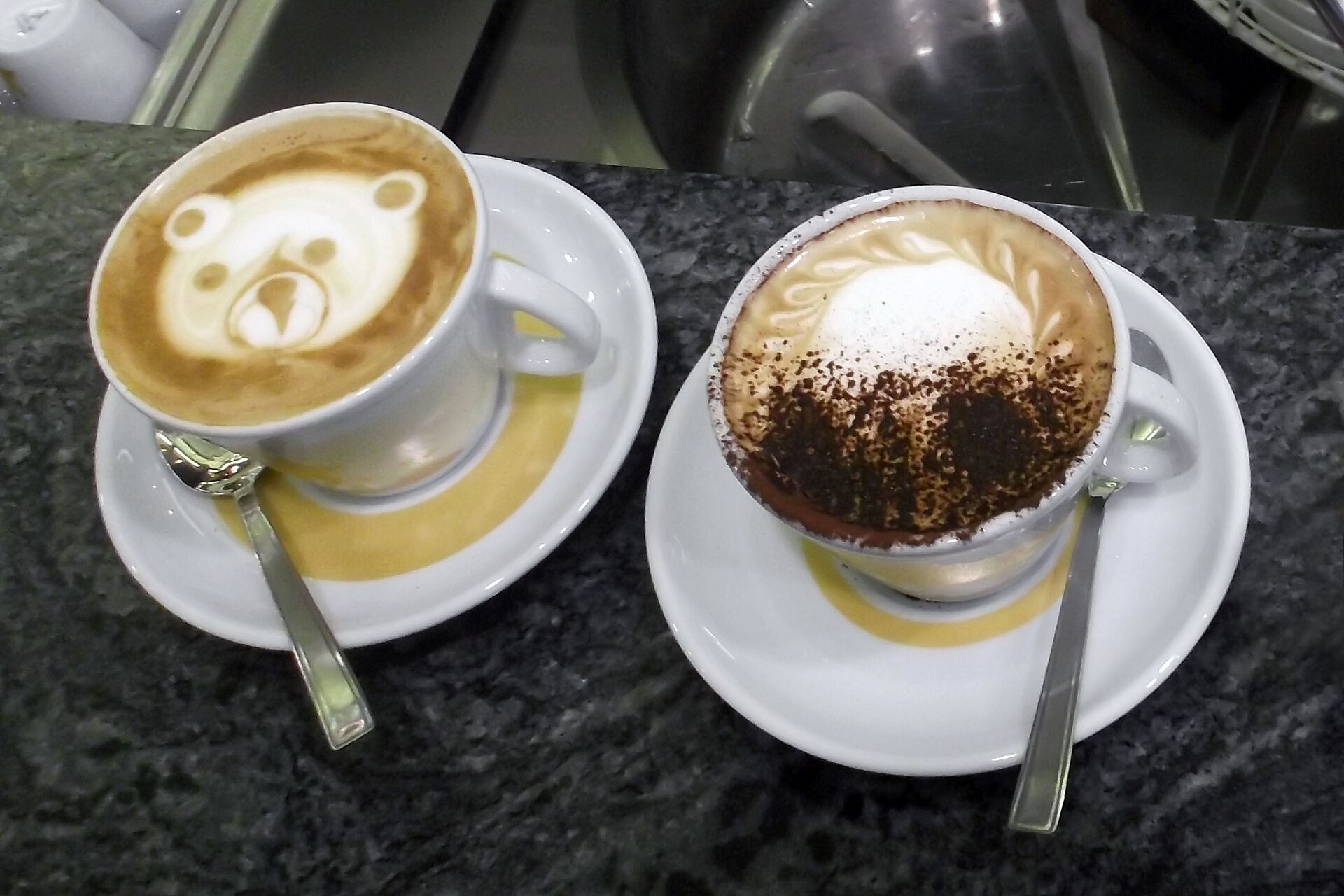
Good milk steaming is mostly about two phases: adding a little air on purpose, then spending the rest of the time smoothing it out.
That sounds simple, but most beginners do the opposite. They keep adding air too long, end up with dry bubbles, then assume milk steaming is some mysterious barista trick. It isn't. Once you understand what the wand is supposed to do in each phase, the whole thing gets much more repeatable.
This guide is the beginner version — how to steam milk for lattes and cappuccinos without overcomplicating it.
This guide contains affiliate links. We may earn a small commission on qualifying purchases at no extra cost to you.
The Goal: Glossy Milk, Not Puffy Foam
For most home espresso drinks, you're aiming for milk that looks like wet paint. It should swirl as one texture, not separate into hot milk below and dry foam on top.
That's what gives you:
- smoother mouthfeel
- sweeter-tasting milk
- cleaner pours for latte art
- less foam cap and more integrated texture
If your milk looks like bath bubbles, you're not done texturing yet — or you added too much air too early.
What You Need Before You Start
A fancy setup is not required, but a few basics make learning much easier:
- an espresso machine with a steam wand
- a stainless milk pitcher sized for the drink you're making
- cold milk straight from the fridge
- a towel for wiping the wand
- a quick purge before and after steaming
If you're still choosing gear, browse the espresso machine collection and milk frothing tools.
Start With the Right Milk and Pitcher Amount
Whole milk is the easiest learning milk. It stretches predictably, tastes sweet, and gives you a forgiving texture window. If you mostly drink oat milk, use a barista blend while learning.
As a starting point:
- for one latte or cappuccino, fill the pitcher to just below the bottom of the spout
- leave enough room for the milk to expand
- use cold milk so you have more time to control the process
Too much milk makes it hard to create a whirlpool. Too little milk makes the wand scream and over-aerate fast.
The Two Phases of Milk Steaming
1. Stretching: add a little air
Put the wand tip just below the milk surface and angle the pitcher slightly so the milk begins to spin.
You want to hear a soft paper-tearing or gentle "tss-tss" sound. That's the sound of controlled air intake.
This phase is short:
- for a latte: just a few seconds
- for a cappuccino: a little longer, but still controlled
The goal is slight expansion, not a huge foam rise.
2. Texturing: smooth the foam into the milk
Once you've added enough air, raise the pitcher slightly so the tip sits a bit deeper below the surface. Keep the whirlpool going.
This is the part beginners skip.
The whirlpool breaks down large bubbles and folds the air into the milk so it becomes glossy. If stretching makes the foam, texturing makes it usable.
Stay in this phase until the pitcher gets almost too hot to hold comfortably.
A Simple Beginner Workflow
If you want the shortest possible version, use this every time:
- Purge the steam wand briefly.
- Place the wand tip just below the milk surface near the pitcher side.
- Start steaming and listen for a soft tearing sound.
- Let the milk expand slightly.
- Lower the wand deeper by raising the pitcher a little.
- Keep the milk spinning in a whirlpool.
- Stop around 140°F to 150°F or when the pitcher feels hot and uncomfortable to hold for more than a second.
- Wipe and purge the wand immediately.
- Tap the pitcher once or twice and swirl the milk until it looks glossy.
- Pour right away.
That's the whole loop.
Latte Milk vs Cappuccino Milk
A lot of beginners think these are totally different techniques. They're mostly the same technique with a different amount of air.
For lattes
Use less stretch time.
You want:
- thinner, silkier milk
- a glossy surface
- enough foam for texture, not a giant cap
For cappuccinos
Use slightly more stretch time.
You want:
- a little more body and cushion
- still smooth, still glossy
- more foam than a latte, but not dry meringue
If the milk turns stiff or spoonable, you went too far.
Common Milk Steaming Mistakes
Keeping the wand too high
This blasts air in and creates big bubbles fast. Lower the tip so you're hearing a soft controlled sound, not a loud slurp.
Adding air for too long
Once the milk has expanded a bit, stop stretching and switch to texturing. More air is usually not the answer.
No whirlpool
Without the spinning motion, the bubbles don't break down properly. You end up with separated foam and thin milk.
Overheating the milk
Milk gets flatter and less sweet when it runs too hot. If you're regularly hitting very high temperatures, you'll make steaming harder and the drink worse.
Waiting too long to pour
Textured milk starts separating quickly. Swirl and pour immediately while the texture is still unified.
What the Milk Should Look Like at the End
Before pouring, the surface should look:
- shiny
- smooth
- almost paint-like
- free of visible large bubbles
If you tap the pitcher once and swirl, the milk should move as a single texture.
If you see a dry foam layer sitting on top, you need better texturing or less air next time.
If You're Still Struggling, Change One Variable at a Time
The fastest way to improve is to stop changing everything at once.
Keep these consistent for a few practice rounds:
- same pitcher
- same milk type
- same drink size
- same steam power setting
Then only adjust one thing:
- shorter stretch time
- slightly deeper wand position
- better pitcher angle for whirlpool
- lower end temperature
That makes it much easier to feel what actually fixed the result.
Best Beginner Setup for Learning Milk Drinks
If milk drinks are a big part of why you're buying espresso gear, prioritize machines with an approachable steam workflow. Compact beginner-friendly options in the espresso machine collection are often easier to learn on than more demanding enthusiast machines.
A basic stainless pitcher from the milk frothing section is enough to start. You do not need a premium pitcher before you can make good milk.
If your machine does not have a steam wand, read How to Make Microfoam Without a Steam Wand.
FAQ
How long should I stretch milk when steaming?
Usually only a few seconds. Stop once the milk expands slightly, then move to texturing. Most beginner milk gets foamy because the air phase lasts too long.
What temperature should milk reach for lattes?
A useful range is about 140°F to 150°F. Hotter milk is easier to scorch and usually tastes flatter.
Why is my milk bubbly instead of smooth?
Either too much air went in, the wand stayed too close to the surface, or the whirlpool phase was too short. Less stretch and more texturing usually fixes it.
Do I need whole milk to learn steaming?
No, but whole milk is the easiest starting point. If you're using plant milk, choose a barista blend for the most predictable results.
What's the difference between latte milk and cappuccino milk?
Mostly the amount of air you add. Latte milk is silkier and slightly thinner. Cappuccino milk gets a little more lift and cushion, but should still stay smooth.
Bottom Line
Milk steaming stops feeling random once you think in phases.
Add a little air. Then smooth it out. That's it.
If you keep the stretch short, build a whirlpool, and stop overheating the milk, you'll get dramatically better texture fast — and your lattes will start tasting like the setup is finally working instead of fighting you.
As an Amazon Associate, Espresso Foundry earns from qualifying purchases. Product prices and availability are subject to change. Full affiliate disclosure.