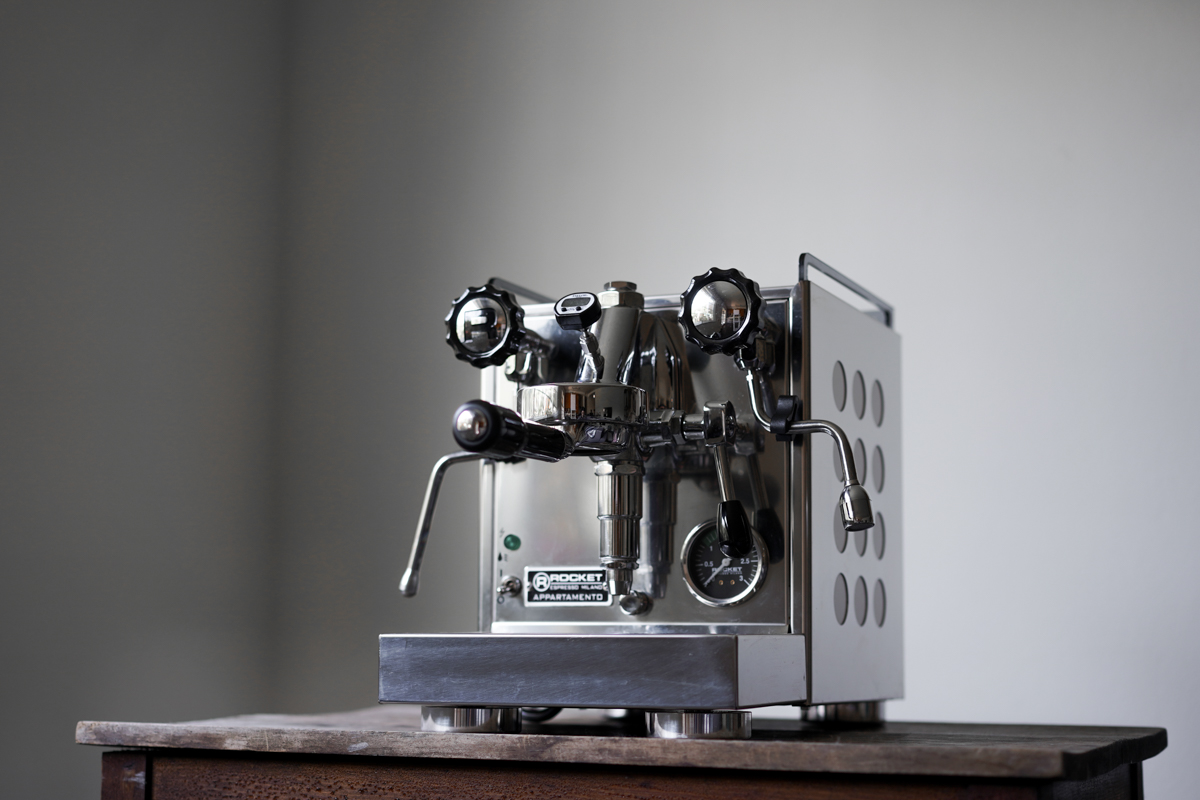
If you are shopping for your first real espresso machine, the biggest decision is not brand — it is how much of the process you want the machine to do for you.
That is the real difference between manual, semi-automatic, and super-automatic espresso machines. They can all make drinks called espresso. They do not all ask the same thing from you in the kitchen.
This guide is the simple version: what each type feels like to live with, who it fits, where people overspend, and which lane usually makes the most sense.
This post contains affiliate links. We may earn a small commission on qualifying purchases at no extra cost to you.
The short answer
- Manual machines are for people who want the ritual, the challenge, and maximum hands-on control.
- Semi-automatic machines are the sweet spot for most home baristas because they balance quality, learning, and long-term value.
- Super-automatic machines are for convenience-first buyers who want coffee at the push of a button and do not care much about tweaking technique.
If you are new and want one honest default: start with a semi-automatic machine.
What each machine type actually means
Manual espresso machines
A manual machine asks you to create the pressure or control more of the extraction yourself. In home espresso, that usually means a lever-style setup or a more hands-on brewer where the process feels closer to a craft project than an appliance.
What it is good at:
- Maximum hands-on involvement
- Tiny footprints for some lever setups
- A satisfying ritual if you enjoy the process itself
- Strong value for people who already know they like tinkering
What it is bad at:
- Steeper learning curve
- Slower daily workflow
- Less forgiving for beginners
- Usually not the easiest route to milk drinks every morning
Manual espresso can be fun, impressive, and genuinely capable. It is just not the easiest answer for most people trying to get a good latte before work.
Semi-automatic espresso machines
A semi-automatic machine handles the pump and core brewing mechanics, while you still handle the grinder, dose, tamp, and milk workflow. That is why semi-autos are where most home espresso hobbyists land.
What it is good at:
- Better drink quality potential than super-automatics at the same budget
- Enough control to learn real espresso technique
- Better long-term upgrade path
- A wide range of beginner-friendly options
What it is bad at:
- More steps every time you make coffee
- Requires a decent grinder
- More cleanup than a push-button machine
This is the category where the best beginner recommendations usually live, because it gives you real espresso without forcing you into the deepest end of the hobby.
Super-automatic espresso machines
A super-automatic machine grinds, doses, tamps, brews, and often froths milk with minimal input from you. Press a button, get a drink.
What it is good at:
- Fastest and easiest daily workflow
- Great for shared kitchens and busy households
- Consistent drinks with very little technique required
- Low friction for people who just want coffee, not a hobby
What it is bad at:
- Less control over extraction
- More expensive for the cup quality you get
- Harder to repair or upgrade meaningfully
- Milk systems need cleaning discipline or they get gross fast
Super-autos are not fake espresso machines. They are just solving a different problem.
Side-by-side: manual vs semi-automatic vs super-automatic
| Category | Manual | Semi-automatic | Super-automatic |
|---|---|---|---|
| Learning curve | High | Medium | Low |
| Morning speed | Slow | Medium | Fast |
| Control | Highest | High | Low |
| Milk drink workflow | Often awkward or extra gear needed | Best balance | Easiest, but least hands-on |
| Cleanup | Medium | Medium | Medium-high |
| Best value for drink quality | Niche | Best overall | Usually weakest |
| Best for | Hobbyists, tinkerers | Most home baristas | Convenience-first buyers |
Which type fits your buyer profile?
Pick manual if...
Pick a manual setup if you genuinely enjoy process-heavy coffee and want espresso to feel like a hands-on hobby. You probably do not mind slower mornings, you like learning by trial and error, and you are okay with the fact that this route asks more from you.
Manual is usually a want choice, not a should choice.
If that sounds like you, you may still want to browse our grinders first, because manual-focused buyers often get more improvement from grinder quality than from chasing machine complexity too early.
Pick semi-automatic if...
This is the best lane for most readers.
Pick semi-auto if you want:
- Real espresso you can improve over time
- Enough control to learn good habits
- Better long-term value than a super-auto
- A setup that can grow with you instead of boxing you in
If you want the easiest beginner recommendation, start with the Breville Bambino Plus. If you want an all-in-one workflow with a built-in grinder, the Breville Barista Express is the more self-contained option. If you already know you want a tougher, more upgrade-friendly machine, the Rancilio Silvia is the more serious semi-auto path.
Pick super-automatic if...
Pick super-auto if your highest priority is convenience.
That usually means:
- You want coffee fast on work mornings
- Multiple people will use the machine
- Nobody in the house wants to dial in shots manually
- You are happy to trade some shot quality for simplicity
The current convenience-first pick in our store is the De'Longhi Magnifica Evo, which makes the most sense for people who want bean-to-cup drinks without turning espresso into a project.
The cost mistake most people make
A lot of buyers compare machine types without thinking about the full setup.
Here is the practical version:
- Manual and semi-automatic setups often depend heavily on the grinder.
- Super-automatic setups hide that inside the machine, which feels simpler but reduces flexibility.
- Spending more on the machine while under-spending on the grinder is one of the fastest ways to get disappointing semi-auto results.
That is why a modest semi-automatic machine paired with a strong grinder often beats a more expensive machine paired with a weak grinder.
If you are still sorting out the gear stack, start with the espresso equipment buyer's guide and then use the espresso machine comparison tool to narrow it down.
What we would recommend for most buyers
If you are unsure, use this rule:
- Want the hobby? Lean manual or serious semi-auto.
- Want the best balance? Go semi-auto.
- Want the easiest routine? Go super-auto.
For most first-time home baristas, a semi-automatic machine is still the strongest recommendation because it gives you room to learn without making every cup feel like a test.
FAQ
Is a manual espresso machine better than a semi-automatic machine?
Not for most people. Manual setups are more hands-on and can be deeply satisfying, but semi-automatics are easier to learn on, better for milk drinks, and usually the safer first buy.
Are super-automatic espresso machines worth it?
Yes, if convenience is the goal. They are especially good for shared kitchens, busy mornings, and buyers who do not want espresso to become a hobby.
What is the best espresso machine type for beginners?
Usually semi-automatic. It gives beginners the best mix of quality, flexibility, and learning without the friction of a fully manual workflow.
Do automatic machines make worse espresso?
Usually yes compared with a well-set-up semi-automatic machine at the same budget. But the gap may not matter much if your real priority is speed and simplicity.
Bottom line
The right machine type is the one that matches your actual mornings.
If you want to learn espresso and care about the cup, buy a semi-automatic machine. If you want the full ritual, go manual on purpose. If you want a button and a drink, buy a super-automatic and do not feel guilty about it.
That is the honest split.
If you want to compare actual picks next, browse the espresso machine collection or jump into the comparison tool.
As an Amazon Associate, Espresso Foundry earns from qualifying purchases. Product prices and availability are subject to change. Full affiliate disclosure.