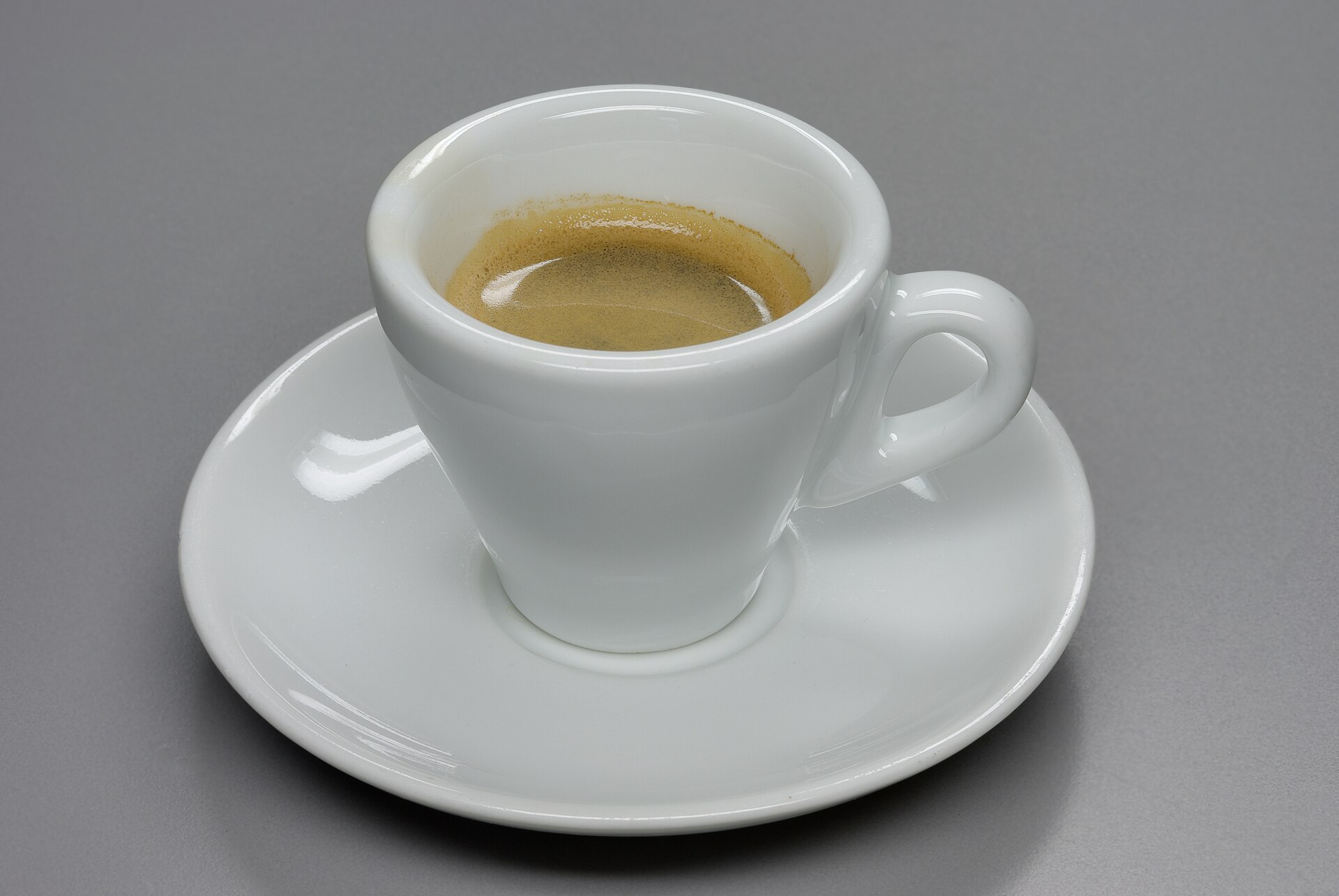
Making espresso at home feels complicated until you understand the workflow. Then it becomes a repeatable routine you can improve shot by shot.
This guide walks you through everything: what gear you actually need, how to set up your first shot, and what to do when something tastes wrong. If you've been putting off getting started because it seems overwhelming, this is the page that changes that.
If you want a shorter version you can keep next to the machine, start with the Espresso Workflow Checklist.
This post contains affiliate links. If you purchase through our links, we may earn a small commission at no extra cost to you. See our disclosure policy.
Last updated: May 2026
Table of Contents
- What You Need to Make Espresso at Home
- Step 1: Grind Your Coffee
- Step 2: Dose and Level Your Basket
- Step 3: Tamp
- Step 4: Pull the Shot
- Step 5: Taste and Adjust
- The Most Common Beginner Mistakes
- Frequently Asked Questions
What You Need to Make Espresso at Home
You can make espresso at home without spending thousands of dollars. But you do need a few things that actually work.
An espresso machine
Not every coffee maker makes espresso. True espresso requires at least 9 bars of pressure during extraction. Capsule machines, Moka pots, and Aeropresses can get close, but they are not the same.
For most beginners, the best starting points are semi-automatic machines — you control the grind and puck prep, and the machine handles pressure and temperature.
Good entry-level options:
- Breville Bambino Plus — Fast heat-up, compact, consistent pressure. A solid first machine that gets out of your way.
- Breville Barista Express — Includes a built-in grinder, which simplifies the setup if you want everything in one unit.
If you're still deciding on a machine, read the best beginner espresso machine guide before you buy.
A grinder
This is the most important gear decision — more important than the machine for most beginners.
Espresso needs a very fine, consistent grind. Pre-ground coffee goes stale quickly and gives you almost no ability to adjust your shot. A dedicated grinder lets you dial in the grind size, which is the main lever for fixing flavor problems.
Good options at different price points:
- Timemore Chestnut C3 — A capable hand grinder at a low price. Slower to use but a real upgrade from pre-ground.
- Baratza Encore ESP — An electric grinder built for espresso. If you're brewing daily, the convenience is worth it.
Read Why Your Grinder Matters More Than Your Machine to understand why this decision matters so much.
A scale
A scale removes guesswork. Espresso is measured by weight — both the dry coffee in and the liquid espresso out. Without a scale, you're estimating, and estimating makes it much harder to repeat a good shot or fix a bad one.
Any kitchen scale accurate to 0.1 grams works. The Acaia Pearl Coffee Scale is purpose-built for espresso with a built-in timer.
A tamper
Tamping compresses the ground coffee evenly before the shot. Most machines come with a basic plastic tamper — it works, but a proper tamper with a flat base and correct diameter for your basket is noticeably easier to use.
The Normcore 58.5mm Spring Tamper is a popular upgrade that helps with consistent pressure.
Fresh whole-bean coffee
Use whole beans from a reputable roaster and grind just before brewing. Pre-ground espresso loses flavor quickly. For beginners, a medium roast is the most forgiving starting point.
Step 1: Grind Your Coffee
Espresso requires a finer grind than almost any other brewing method. The grind size controls how fast water flows through the coffee puck.
A starting grind setting will depend on your grinder model — consult your grinder's manual for an espresso range, then expect to adjust from there.
Dose: A common starting dose is 18 grams of dry coffee. Some baskets are designed for 16 or 17 grams — match the dose to your basket size.
Grind directly into the portafilter basket if your grinder allows it. If not, grind into a small cup and transfer carefully.
Step 2: Dose and Level Your Basket
After grinding, distribute the coffee evenly in the basket before tamping. Uneven distribution leads to uneven extraction — some areas get over-extracted while others get under-extracted, producing off flavors.
A simple leveling method:
- Tap the portafilter gently on a flat surface after grinding to settle the grounds.
- Use a finger or a WDT (Weiss Distribution Technique) tool to break up clumps and distribute evenly.
- Level the top of the grounds with a straight edge before tamping.
The Generic WDT Needle Tool is inexpensive and makes this step noticeably more consistent.
Step 3: Tamp
Tamping creates a flat, level puck that water flows through evenly under pressure.
How to tamp:
- Rest the portafilter on a stable surface or tamping mat.
- Position the tamper flat on top of the grounds.
- Press straight down with firm, even pressure — around 15 to 20 kilograms of force.
- Twist slightly at the end if you prefer, but the flat surface is what matters most.
- Check the puck is level and has no obvious gaps or tilts.
A common beginner mistake is tamping at an angle. This creates an uneven puck and causes channeling — water finds the path of least resistance instead of flowing through the entire puck evenly.
Step 4: Pull the Shot
Lock the portafilter into your machine. Place a scale and cup underneath, then start the shot.
Target yield: Start with a 1:2 ratio — 18 grams of coffee in, 36 grams of liquid espresso out.
Target time: Most espresso pulls in 25 to 30 seconds. Very fast shots (under 20 seconds) usually run weak and sour. Very slow shots (over 40 seconds) often run bitter and over-extracted.
Watch the extraction:
- The espresso should start as a thin, dark stream and gradually become slightly lighter.
- Blonding (the stream turning pale and watery-looking) signals that extraction is finishing.
Stop the shot by weight, not by time. Once you reach your target yield, stop the machine.
Step 5: Taste and Adjust
Taste the espresso before you add anything. This is how you learn.
If it tastes sour or thin: The shot ran too fast or was under-extracted. Try grinding finer, or increase the dose slightly.
If it tastes bitter or harsh: The shot ran too slow or was over-extracted. Try grinding coarser, or reduce the yield slightly.
If the flavor is mostly right but not quite there: Small grind adjustments make a bigger difference than big dose changes. Change one variable at a time.
This process of adjusting is called dialing in. For a full explanation of the logic and workflow, read How to Dial In Espresso.
The Most Common Beginner Mistakes
Using pre-ground coffee
Pre-ground espresso goes stale faster than you think. The grind is also fixed, so you have no way to adjust if the shot isn't working. A grinder is not optional — it is the upgrade with the highest return.
Skipping the scale
Eyeballing the dose and yield makes it nearly impossible to repeat a good shot or diagnose a bad one. Weigh everything until you have a consistent baseline.
Ignoring water temperature
Many machines have thermoblock or thermocoil systems that heat up quickly but may not hold stable temperature for the first shot. Running a blank shot (without coffee) first flushes the system and helps stabilize temperature.
Expecting perfection on the first try
The first few shots from a new grinder or machine are almost never dialed in. Expect to make three to five adjustments before you hit a reliable baseline.
Only fixing one problem
If a shot tastes bad, check both grind size and distribution before changing anything. Many bad shots come from uneven puck prep, not grind size.
For specific troubleshooting scenarios, use the Espresso Machine Troubleshooting Guide.
Frequently Asked Questions
How much does it cost to make espresso at home?
A capable beginner setup usually runs $300–$700 for machine and grinder combined. The Breville Bambino Plus paired with a Timemore C3 hand grinder is one of the more affordable capable setups. Browse the espresso gear store for current options.
Do I need a special espresso grinder?
Yes, or at least a grinder capable of espresso-fine settings. Not all grinders go fine enough. The Baratza Encore ESP and Timemore C3 are both designed with espresso range in mind.
Can I use regular coffee beans for espresso?
Technically yes, but espresso roasts and medium roasts designed for espresso tend to work better at the pressure and temperature espresso machines run. Light roasts can be more difficult for beginners to dial in.
How do I know if my tamping pressure is right?
Consistency matters more than exact force. A common target is around 15–20 kg of pressure. The Normcore spring tamper clicks at a consistent depth, which helps beginners develop a repeatable technique.
Why does my espresso taste bitter?
Usually over-extraction — the shot ran too slowly or the yield was too high. Grind slightly coarser or reduce the yield by 2–3 grams and re-test. See the full troubleshooting guide for a complete walkthrough.
Why does my espresso taste sour?
Usually under-extraction — the shot ran too fast. Grind finer, increase the dose by 0.5–1 gram, or check that your tamp is level and even.
What is the right water temperature for espresso?
Most espresso extracts well between 90°C and 96°C (194°F–205°F). Many machines preset this range. If your machine is adjustable, 93°C (200°F) is a reasonable starting point.
Start Simple, Then Improve
Making espresso at home is not about perfection on day one. It is about building a consistent workflow and understanding what each variable does.
Start with fresh beans, a grinder that can hit espresso-fine settings, a scale, and a machine that runs at real pressure. Follow the steps above, taste every shot, and adjust one thing at a time.
Once you have a repeatable baseline, explore How to Dial In Espresso to push the quality further.
Gear to get started:
Related guides:
- Espresso Workflow Checklist
- Best Espresso Machine for Beginners
- Why Your Grinder Matters More Than Your Machine
- Espresso Troubleshooting Guide
- How to Dial In Espresso
Recommended next step
Turn the workflow into gear that makes it easier
Once the process makes sense, the biggest wins are a reliable beginner kit, an espresso-capable grinder, and a machine comparison before you buy.
- Shop espresso grinders Usually the highest-impact purchase for beginners.
- Compare machines See which workflow fits your mornings.
- Read the grinder-first guide A good next read before overspending on a machine.
As an Amazon Associate, Espresso Foundry earns from qualifying purchases. Product prices and availability are subject to change. Full affiliate disclosure.